 By
By 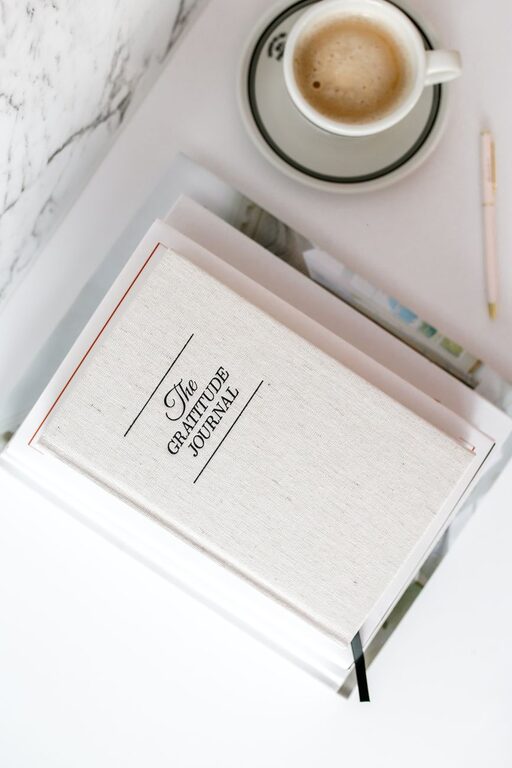
Starting a gratitude journal is a simple way to pause, notice positive moments, and reflect on what matters to you. Unlike a traditional diary, a gratitude journal focuses on people, experiences, places, and everyday details you appreciate.
You do not need special writing skills, a beautiful notebook, or a large amount of free time. A few honest sentences can be enough. The most important part is choosing a routine that feels comfortable and realistic.
What Is a Gratitude Journal?
A gratitude journal is a notebook or digital document where you regularly record things you appreciate. These entries can be big, such as reaching an important goal, or small, such as enjoying a warm cup of coffee or receiving a kind message.
Gratitude journaling is not about pretending that every day is perfect. It is a practice of making room for positive observations alongside the ordinary challenges of life. You can acknowledge that a day was difficult while still noting one or two moments that felt meaningful.
Choose Your Journal Format
The best journal is one you will actually use. Consider which format fits naturally into your routine.
Paper notebook
A paper notebook can make journaling feel personal and relaxing. Choose one that is easy to carry and pleasant to write in. It does not need to be expensive or decorative.
Digital journal
A notes app, document, or journaling app can be convenient if you use your phone or computer often. Digital entries are easy to search, and you can add photos or voice notes if the format allows it.
Printable pages
Printable journal pages may be helpful if you like structure. A simple template with space for the date and three items can guide you without requiring much preparation.
Audio notes
If writing feels difficult, record a short voice memo. Speaking about what you appreciate can be just as useful as writing it down. Keep recordings organized by date if you want to revisit them later.
Set a Realistic Schedule
Consistency matters more than length. Start with a schedule that feels easy to maintain rather than choosing an ambitious routine.
You might write:
– Every morning before starting work
– Each evening before going to bed
– During a weekly planning session
– After lunch or another regular daily activity
Many people begin with three entries a day, but there is no fixed rule. One entry is enough. You can also journal a few times a week instead of every day.
A useful approach is to connect journaling to a habit you already have. For example, keep your notebook beside your coffee mug, place it on your pillow, or open your notes app after brushing your teeth. These reminders can make the practice easier to remember.
Begin With Simple Prompts
When you are unsure what to write, use a prompt. Prompts help you look at familiar experiences from a fresh perspective.
Try answering one of these questions:
– What made me smile today?
– Who helped or encouraged me recently?
– What is something ordinary that I often overlook?
– What part of my surroundings do I appreciate?
– What was one pleasant moment today?
– What personal quality helped me handle a situation?
– What is something I am looking forward to?
– What lesson or opportunity did I notice?
– What object made my day easier?
– When did I feel calm, comfortable, or connected?
You can also complete a sentence such as, “Today I appreciated…” or “One small thing that made a difference was…”
Focus on Specific Details
Specific entries are usually more meaningful than general statements. Instead of writing, “I am grateful for my family,” add a detail that explains why.
For example:
– “I appreciated that my sister called to check in during a busy afternoon.”
– “I enjoyed the quiet walk after dinner and the cool evening air.”
– “I was thankful for the colleague who explained a confusing task clearly.”
Details help you remember the moment later. They also make the practice feel more personal and less like a routine exercise.
Include People, Experiences, and Everyday Comforts
Your entries do not need to focus only on major events. A balanced journal can include different types of appreciation.
People
Write about someone who supported you, made you laugh, taught you something, or shared your time.
Experiences
Consider a conversation, meal, walk, hobby, trip, creative activity, or quiet break that you enjoyed.
Everyday comforts
Notice things such as a comfortable chair, clean sheets, a favorite song, a reliable tool, or a meal that was easy to prepare.
Personal strengths
You can also recognize your own effort. Perhaps you stayed patient, asked for help, completed a difficult task, or made time for something important.
Keep Entries Honest
A gratitude journal should feel genuine, not forced. You do not have to describe every day as wonderful. If you had a disappointing or stressful day, write about one small thing that provided comfort or helped you continue.
An entry might say:
> “Today was frustrating, but I appreciated having a quiet place to take a break.”
This approach allows room for a full range of experiences. Gratitude is not about ignoring problems. It is about noticing what is valuable, supportive, or encouraging even when circumstances are imperfect.
Try Different Journal Styles
You can adjust your approach whenever your routine starts to feel repetitive. Experiment with different formats to keep the practice interesting.
The three-item list
Write down three things you appreciated. Add one sentence of detail for each item.
The daily highlight
Choose one moment from the day and describe what made it meaningful.
The gratitude letter
Write a letter to someone who has made a positive difference. You do not have to send it. The purpose is to express your thoughts clearly.
The weekly reflection
At the end of the week, review your entries and look for moments you would like to remember. You might notice recurring themes, such as time with friends, nature, learning, or creative work.
The photo journal
Add a photo that represents something you appreciated. Write a few sentences explaining why you chose it.
Make It Easy to Continue
A few practical changes can help turn journaling into a lasting habit:
– Keep your journal visible and easy to reach.
– Set a gentle reminder on your phone or calendar.
– Start with only two or three minutes.
– Use short phrases when you are busy.
– Keep a list of prompts nearby.
– Allow yourself to skip days without starting over.
– Review older entries when you need inspiration.
Missing a day does not mean you have failed. Simply return to the practice when it suits you. A flexible routine is more sustainable than one based on strict rules.
Review Your Entries Occasionally
After several weeks, look back at what you have written. Notice which people, activities, and places appear often. You may discover what helps you feel connected, refreshed, or encouraged.
You can use these observations to make thoughtful choices about your time. For example, if many entries mention reading, walking, or calling friends, you might decide to create more space for those activities.
Reviewing your journal can also show how ordinary moments have shaped your days. A short conversation, a helpful gesture, or a peaceful pause may become easier to notice over time.
Start With One Entry Today
There is no perfect way to begin a gratitude journal. Choose a format, set aside a few minutes, and write about one thing you appreciate today. Be specific, keep the words honest, and let the practice develop at its own pace.
A simple first entry could be:
> “Today I appreciated the time I had to enjoy breakfast without rushing.”
That small observation is enough to begin.