 By
By 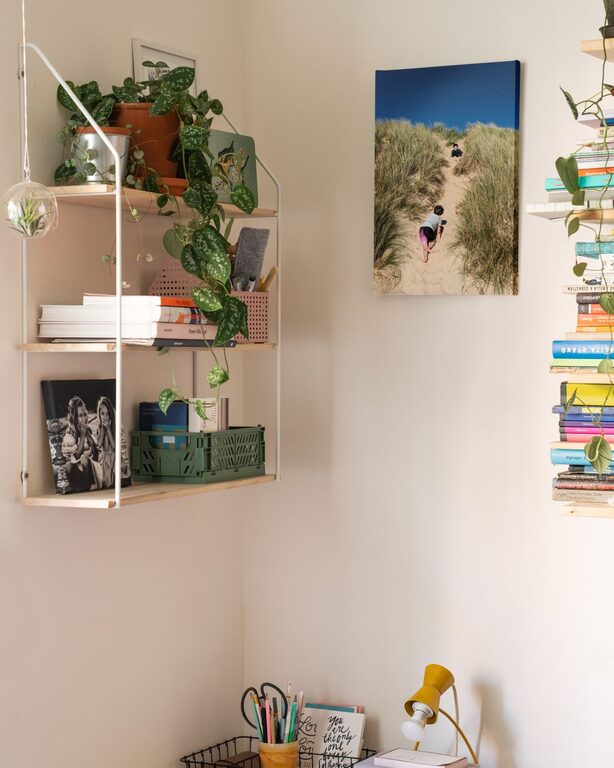
A workspace should do more than hold a computer and a few supplies. It should help you feel comfortable, focused, and ready to work. Whether you work from home, study, or share an office, small personal touches can make your space feel more inviting and useful.
Personalizing your workspace does not require a major redesign or a large budget. A few thoughtful changes can improve the look and feel of your area while supporting your everyday routine. Here are simple ways to create a workspace that feels more like your own.
Start With a Clean Foundation
Before adding decorations or accessories, take a few minutes to clear away items you no longer use. A tidy workspace gives you more room to personalize and makes it easier to decide what belongs there.
Remove old papers, empty containers, unused cables, and anything that does not support your work. Then wipe down the desk, keyboard, monitor, and other surfaces.
A clean foundation offers several benefits:
– It makes the space feel larger.
– It helps reduce visual distractions.
– It gives you room for useful personal items.
– It makes future cleaning easier.
You do not need to create a perfectly minimal desk. The goal is to keep the items you use most within reach and store everything else in a practical place.
Choose a Color Theme
Color is one of the easiest ways to give a workspace a distinct personality. You can choose a simple color theme based on shades you already enjoy or colors that work well with the rest of the room.
For a calm and balanced look, consider soft neutrals, light greens, or gentle blues. If you prefer more energy, add small touches of yellow, orange, or another bright color.
You can bring in your chosen colors through:
– A desk mat
– A notebook or planner
– A desk lamp
– Storage boxes
– Wall art
– A chair cushion
– Small decorative objects
There is no need to replace everything at once. Start with one or two items, then add matching details over time. Using a limited color palette can help the workspace look coordinated without feeling overly designed.
Add Meaningful Decorations
Decorations can make your workspace feel personal, but the best items are often those that have meaning. A framed photograph, a small souvenir, or a piece of artwork can add character without taking up much room.
Choose items that make you feel relaxed, motivated, or connected to something you enjoy. For example, you might display:
– A favorite photograph
– A postcard from a memorable trip
– A small art print
– A handmade object
– A certificate or personal achievement
– A meaningful quote
Keep decorations at a comfortable visual level. If your desk becomes crowded, place a few items on a nearby shelf or wall instead. Rotating decorations every few months can also keep the space feeling fresh.
Bring in Natural Elements
Plants and natural materials can make a workspace feel warmer and more welcoming. Even a small plant can add color and life to an otherwise practical area.
If you have limited space, try a compact plant in a small pot. Artificial plants can also work well if you prefer a low-maintenance option. Other natural elements include:
– A wooden pen holder
– A woven basket
– A stone paperweight
– A small vase
– A cork board
Choose items that fit your routine and available space. A workspace should be easy to maintain, so avoid adding natural decorations that require more care than you can comfortably provide.
Improve Your Desk Setup
Personalization should also make your workspace more useful. Consider how you use your desk each day and arrange your tools around those habits.
Place frequently used items where you can reach them easily. Keep notebooks, pens, chargers, and headphones in designated locations. If you often switch between tasks, use a small tray or container to keep related items together.
You might also personalize your setup with:
– A comfortable keyboard and mouse
– A monitor stand
– A phone holder
– A reusable water bottle
– A small desk clock
– A notebook for quick notes
Good organization does not mean every surface must be empty. It means your most important tools are easy to find and your setup supports the way you work.
Use Lighting to Set the Mood
Lighting can have a major effect on how a workspace feels. If possible, position your desk near a window so you can benefit from natural light during the day. Avoid placing the screen where direct sunlight creates glare.
Add a desk lamp if your workspace needs more light in the afternoon or evening. A lamp with an adjustable angle lets you direct light where it is most useful.
You can personalize the lighting with:
– A lamp in a favorite color
– A simple fabric shade
– Soft accent lights
– A small decorative lamp
– A warm light near a shelf or wall
Keep the lighting practical first. Decorative lights are a nice addition, but your main work area should remain clear and comfortable to use.
Display Inspiration Without Creating Clutter
A small inspiration area can help you stay connected to your goals and interests. This could be a cork board, magnetic board, framed print, or a section of wall above your desk.
Use it to display a few carefully selected items, such as:
– A weekly priority
– A short list of goals
– An inspiring image
– A calendar
– A favorite quote
– A visual reminder of a current project
Avoid filling the entire board at once. Leave some open space so new items can be added without making the area feel crowded. Review the display regularly and remove anything that is no longer useful.
Make Your Chair and Comfort Items More Personal
Your chair is one of the most important parts of your workspace. A cushion, throw, or small lumbar support can add color and make the area feel more comfortable.
You can also keep a few practical comfort items nearby, such as:
– A soft sweater
– A footrest
– A coaster
– Hand cream
– Noise reducing headphones
– A small blanket
Choose items that fit your work habits and do not interfere with movement. Comfort should support your focus rather than encourage you to constantly adjust your setup.
Create a Simple Organization System
Personal style works best when it is combined with an organization system. Use containers, folders, and labels that match your preferred look while keeping supplies easy to manage.
For example, you might use one tray for incoming papers, one container for writing tools, and a drawer for items used less often. If you prefer an open and decorative style, choose attractive baskets or boxes. If you like a clean appearance, use closed storage to keep supplies out of sight.
A useful system should be:
– Easy to understand
– Simple to maintain
– Flexible as your needs change
– Appropriate for the size of your workspace
Do not create more categories than necessary. A few clear storage areas are usually easier to maintain than a complicated system.
Refresh the Space Regularly
Your workspace does not have to remain the same all year. Small seasonal updates can help you stay interested in the area without requiring a complete makeover.
Try changing one or two details, such as a desk mat, plant pot, artwork, or notebook. You can also rearrange items to improve the flow of the space.
Every few weeks, ask yourself:
– What am I using most often?
– What is taking up space unnecessarily?
– Does the workspace still feel comfortable?
– Is there anything that makes daily tasks harder?
– What small change would improve the area?
The best workspace is one that grows with your needs. By combining practical organization with personal details, you can create a space that feels comfortable, inspiring, and truly your own.