 By
By 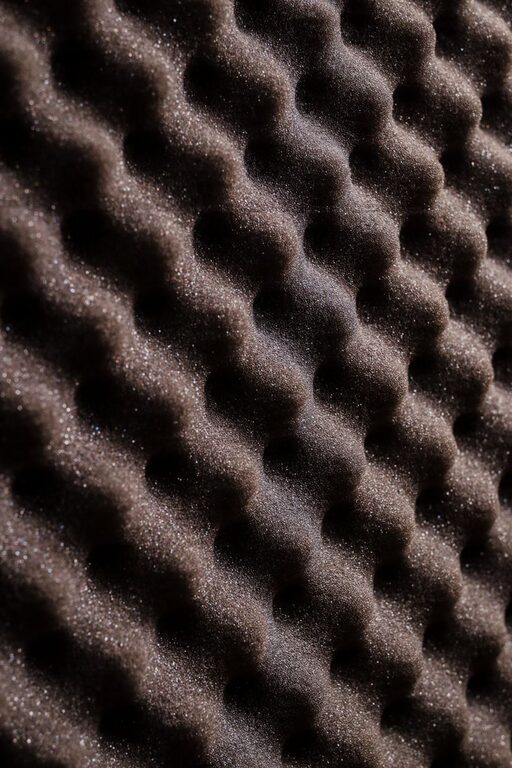
A noisy home can make it harder to relax, work, sleep, or enjoy conversations. Everyday sounds from appliances, footsteps, traffic, pets, and nearby rooms can add up quickly. The good news is that you do not always need major construction or expensive materials to make your space quieter.
Small changes can absorb sound, block outside noise, or reduce the way sound travels through your home. Try one or two ideas at a time and notice which improvements make the biggest difference.
Start by Finding the Main Sources of Noise
Before buying products or moving furniture, spend a few minutes listening to your home. Notice when and where noise is most noticeable.
Common sources include:
– Gaps around doors and windows
– Hard floors that reflect footsteps and voices
– Loud appliances
– Thin walls or shared rooms
– Traffic and outdoor activity
– Plumbing, heating, or cooling systems
– Furniture that moves or vibrates
– Echoes in large, mostly empty rooms
Walk through each room at different times of day. A bedroom may be quiet in the afternoon but noisy at night when outdoor sounds become more noticeable. Identifying the source helps you choose the right solution.
Add Rugs and Soft Floor Coverings
Hard surfaces such as wood, tile, and laminate can reflect sound. This can make footsteps, dropped objects, and conversations seem louder. Rugs help absorb some of those sounds while also reducing echoes.
Place rugs in areas where people walk often, such as:
– Hallways
– Living rooms
– Bedrooms
– Home offices
– Areas near beds, sofas, and desks
A rug pad can provide additional cushioning and help stop the rug from sliding. It may also reduce the sound of footsteps more effectively than a thin rug alone.
If a large rug is not practical, use smaller mats in high-traffic areas. Carpet tiles are another flexible option because individual pieces can be replaced if they become worn or stained.
Use Curtains to Soften Sound
Bare windows allow outside noise to enter and can make a room feel echoey. Thick curtains or lined window coverings add a soft layer that can reduce some sound and improve the room’s overall feel.
For the best results:
– Choose curtains that reach from near the ceiling to the floor
– Extend the curtain rod beyond both sides of the window
– Use full, closely gathered fabric
– Close the curtains during the noisiest times of day
Sound-reducing curtains may help, but they are not a complete solution for loud traffic or construction noise. Even regular heavy curtains can make a noticeable difference by reducing reflections inside the room.
Seal Gaps Around Doors and Windows
Small openings can let outdoor noise into your home. Doors are especially common problem areas because sound can pass through the gap beneath them and around the frame.
Consider adding:
– Weatherstripping around the door frame
– A door sweep along the bottom edge
– Caulk around fixed window frames
– Foam or rubber seals for movable windows
These materials are usually easy to install and can also help reduce drafts and dust. Make sure doors and windows still open and close properly after installation.
If a room has a hollow interior door, replacing it with a solid-core door may reduce sound transfer. This is a larger project, but it can be useful for bedrooms, offices, or rooms that need extra privacy.
Rearrange Furniture Strategically
Furniture can help absorb and block sound. Large, heavy pieces are especially useful when placed against walls that face a noisy room or outside area.
Try these arrangements:
– Place a full bookcase against a shared wall
– Put a wardrobe or cabinet along an exterior wall
– Keep a sofa between a seating area and a noisy hallway
– Move a desk away from a thin wall or window
– Avoid leaving large walls completely bare
A bookcase filled with books, baskets, and fabric items can help soften sound better than an empty shelf. Leave a little space between the bookcase and the wall if possible, and make sure heavy furniture is stable and safely positioned.
Reduce Echoes in Empty Rooms
Rooms with few furnishings often sound louder because sound bounces between hard surfaces. You can reduce this effect by adding texture and variety.
Helpful additions include:
– Upholstered chairs
– Cushions and blankets
– Fabric wall hangings
– Plants with broad leaves
– Baskets and storage bins
– Soft artwork or decorative panels
You do not need to cover every surface. A few well-placed soft items can make a room feel calmer without changing its style. Avoid using too many hard, reflective decorations in one area if echoes are a concern.
Try Simple Acoustic Panels
Acoustic panels are designed to absorb sound and reduce echoes. They can be useful in home offices, media rooms, playrooms, and other spaces where voices or music seem to bounce.
Place panels on large, bare walls, especially near the area where sound is produced. Fabric-covered panels are available in many colors and styles. For a budget-friendly option, you can use thick fabric stretched over a suitable frame, provided it is installed securely and kept away from heat sources.
Quiet Noisy Appliances
Some of the loudest sounds in a home come from appliances. Washing machines, dryers, dishwashers, fans, and refrigerators can create humming, rattling, or vibrating noises.
To reduce appliance noise:
– Check that the appliance is level
– Tighten loose screws or panels
– Keep appliances a small distance from walls
– Use anti-vibration pads under washers and dryers
– Clean filters and vents as recommended
– Avoid overloading moving appliances
A washing machine that shakes during a cycle may need its feet adjusted. If an appliance suddenly becomes much louder, consult its instructions or a qualified repair professional rather than ignoring the change.
Stop Furniture From Scraping and Rattling
Noise does not always come from outside. Chairs, tables, cabinets, and doors can create sharp sounds when they move.
Add felt pads or rubber protectors to the bottoms of:
– Chairs
– Tables
– Lamps
– Storage boxes
– Small appliances
Soft-close hinges and drawer dampers can reduce slamming. You can also place a thin mat beneath a pet bowl, wastebasket, or countertop appliance to prevent movement and rattling.
Keep loose objects from touching one another inside cabinets. Plates, glasses, and tools can make noise when doors close or shelves shake. Shelf liners and small fabric dividers can help.
Create a Quieter Room
If you need a calm space for sleeping, reading, or working, choose the room with the fewest hard surfaces and the least exposure to outdoor activity. Then improve it with a combination of soft furnishings, sealed gaps, and thoughtful furniture placement.
A quieter room might include:
– A thick rug
– Full curtains
– A padded chair
– A bookcase on a shared wall
– A door sweep
– Soft lighting and fabric accessories
Keep noisy equipment, such as printers or fans, outside this room when possible. Close doors during busy parts of the day to limit sound traveling through the home.
Build Quieter Daily Habits
Small habits can make a home feel more peaceful without changing the building itself. Close doors gently, use coasters and mats to prevent objects from sliding, and place soft pads under items that are moved often.
Other helpful habits include:
– Lowering music and television volume
– Using headphones when appropriate
– Running noisy appliances during suitable daytime hours
– Placing phones on silent or vibration-reducing surfaces
– Encouraging children to use soft play areas
– Keeping pets’ toys on rugs instead of bare floors
These changes are simple, but they can reduce sudden sounds and make shared spaces more comfortable.
Improve Your Home One Step at a Time
Noise reduction works best as a gradual process. Start with the loudest or most disruptive problem, such as a rattling appliance, a gap beneath a door, or echoes in a mostly empty room. Try an affordable fix first, then evaluate the result.
Combining several small improvements—rugs, curtains, furniture, door seals, and quieter habits—can create a noticeable difference. A calmer home does not have to be completely silent. The goal is to reduce unnecessary noise and make the spaces you use every day more comfortable.